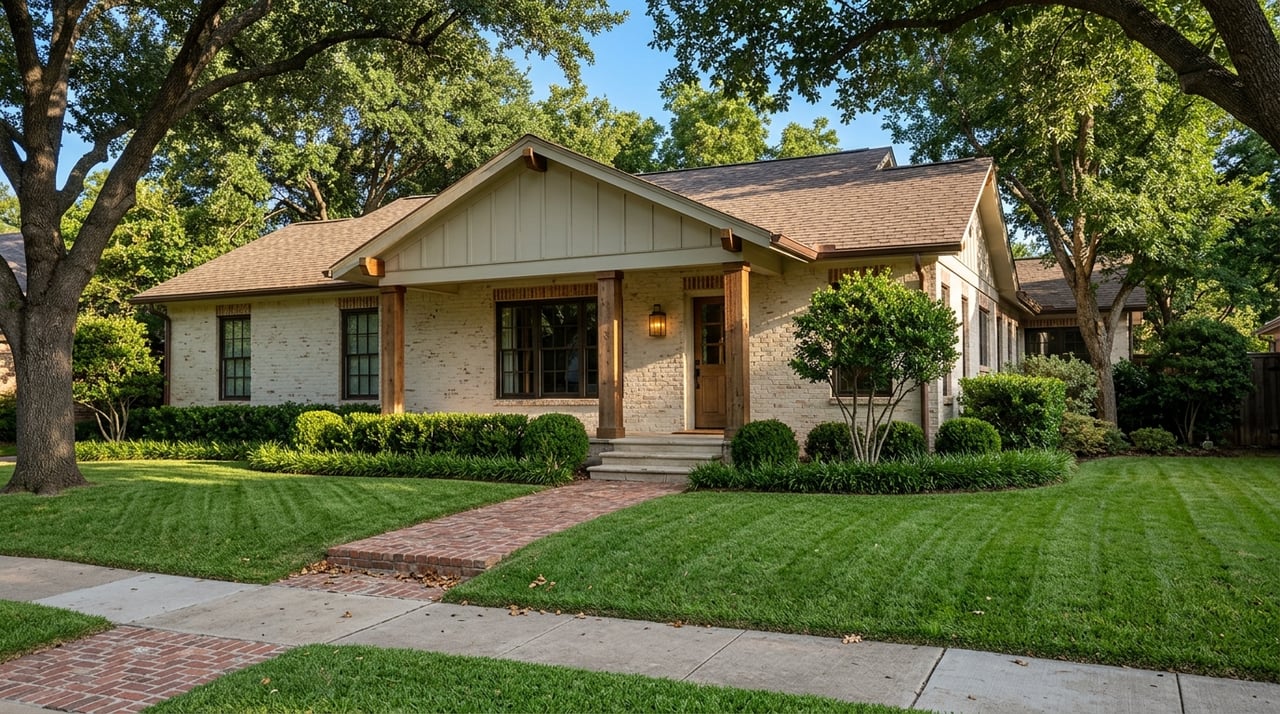
If you want a Fort Worth neighborhood that feels established, residential, and close to the city’s best-known destinations, Monticello deserves a closer look. It offers the kind of in-town setting many buyers want, with classic homes, mature surroundings, and quick access to major cultural and outdoor amenities. If you are weighing lifestyle, character, and convenience all at once, this guide will help you understand why Monticello stands out. Let’s dive in.
Why Monticello Stands Out
Monticello is an established west Fort Worth neighborhood with a long history and an active civic identity. The neighborhood association describes its role as promoting, preserving, and enhancing quality of life, which gives the area a real community framework beyond just a name on a map.
The City of Fort Worth also reinforces Monticello’s residential character. In city planning documents, the White Settlement Road edges of Monticello and nearby Crestwood are identified as areas where residential scale and character should be maintained. For you as a buyer, that supports the idea of Monticello as a neighborhood defined by homes and daily livability rather than by commercial intensity.
Monticello’s Historic Roots
Monticello’s story reaches back to the late 1920s. According to the City of Fort Worth, Monticello Park was developed by the Monticello Land Company during that period, and the park remains a neighborhood anchor today.
That history matters because it helps explain the feel of the area. Monticello is not a newer infill pocket trying to create character. It is an older in-town neighborhood whose identity has been shaped over decades.
Home Styles In Monticello
One of Monticello’s biggest strengths is that its housing stock feels layered rather than one-note. Preservation sources from Fort Worth identify the neighborhood as having important Modern Movement and Ranch-style residences, while Historic Fort Worth documents at least one 1929 Tudor Revival home in the area.
For you, that means the streetscape can feel visually interesting and varied. Older revival-era homes, mid-century houses, and later additions may all appear within the neighborhood, creating a sense of depth that many buyers find appealing in established Fort Worth areas.
A Mature Residential Setting
Monticello’s setting also benefits from the broader character of older West Fort Worth neighborhoods. The city’s urban forestry information notes tree species commonly found in this part of town, including pecan, sycamore, American elm, cedar elm, live oak, bur oak, and Shumard red oak.
While that does not describe every single block, it supports Monticello’s reputation as a mature residential environment. In practical terms, you can expect an area that feels more rooted and leafy than many newer developments.
Daily Life And Convenience
Monticello appeals to buyers who want a residential address without giving up easy access to urban amenities. That balance is a major part of the neighborhood’s identity.
You are close to Fort Worth’s Cultural District, which Visit Fort Worth describes as home to five internationally recognized museums. District highlights include the Kimbell Art Museum, the Modern Art Museum of Fort Worth, the Amon Carter Museum of American Art, the Fort Worth Museum of Science and History, and the National Cowgirl Museum and Hall of Fame. The local district alliance also includes the Cattle Raisers Museum among its museum offerings.
This proximity gives Monticello a strong lifestyle advantage. Instead of living in the middle of a busier entertainment corridor, you can enjoy a more residential setting while staying near some of Fort Worth’s most recognized cultural destinations.
Access To Parks And Trails
Outdoor access is another reason Monticello draws attention. Visit Fort Worth reports that the Trinity Trails network stretches more than 100 miles along the Trinity River and connects more than 30 neighborhoods and more than 20 parks.
The city’s Trinity Park page places that park within the Cultural District and notes its connection to the trail system. For you, that translates into easier access to walking, jogging, and biking options nearby, which adds to Monticello’s in-town convenience.
Monticello Park As A Neighborhood Anchor
Monticello Park remains a meaningful part of neighborhood life. The City of Fort Worth says the park includes tennis courts, a playground, and other amenities.
That kind of neighborhood anchor helps shape day-to-day experience. It gives the area a recognizable center and adds to the sense that Monticello is a lived-in community, not simply a collection of homes.
Community Structure And Civic Life
Monticello also stands out for its active neighborhood association. The association coordinates social events and communicates with city leaders, code enforcement, neighborhood police officers, and West Side Alliance partners.
That matters because it points to an organized civic structure. If you value a neighborhood where residents stay engaged with local issues and community life, Monticello offers evidence of that involvement.
Current Infrastructure Improvements
There is also an important near-term consideration for buyers and residents. The City of Fort Worth has an active water and sewer improvement project affecting the Monticello, Linwood, and Westside area, and the city says the project impacts the Monticello neighborhood association area.
The project is scheduled for completion in October 2026. On one hand, this reflects ongoing public investment in the area. On the other, you may want to factor in the possibility of temporary construction disruption in parts of the neighborhood as work continues.
How Monticello Compares Nearby
Monticello often makes the most sense when you compare it with nearby west Fort Worth options. Its appeal becomes clearer when you see how it differs from Rivercrest and the Camp Bowie corridor.
Monticello Vs. Rivercrest
Rivercrest is often viewed as a prestige comparison, but it has a different identity. River Crest Country Club says it opened in 1911, was the first in Texas to include a residential housing development on its acreage, and remains Fort Worth’s oldest private course.
That history gives Rivercrest a more club-centered and estate-oriented feel. Monticello, by contrast, is defined more by its neighborhood-and-park identity. If you prefer an in-town residential setting that feels established without being anchored by a private club campus, Monticello offers a different kind of appeal.
Monticello Vs. Camp Bowie
Camp Bowie serves a different role in west Fort Worth. The City of Fort Worth says Camp Bowie District Inc. was created as a public improvement district to revitalize Camp Bowie Boulevard through infrastructure work, landscaping, beautification, events, and development advocacy.
The city also treats Camp Bowie as a form-based code district and emphasizes preserving the boulevard’s historic commercial scale and character. In simple terms, Camp Bowie is more corridor-oriented and commercial in feel. Monticello is residential first, with urban convenience coming from what surrounds it rather than from living directly on a retail-heavy stretch.
Who Monticello May Fit Best
Monticello can appeal to several kinds of buyers. If you are relocating to Fort Worth and want an established in-town neighborhood, Monticello offers a strong balance of character and access. If you appreciate homes with architectural variety, the area’s layered housing stock may be especially attractive.
It can also make sense if you want proximity to the Cultural District and Trinity Trails without choosing a setting that feels primarily commercial. That combination of neighborhood calm and city access is one of Monticello’s clearest strengths.
What To Notice When Touring Monticello
As you explore Monticello, pay attention to the details that shape everyday living. Look at how each block feels, note the architectural mix, and observe how close you are to parks, trails, and west Fort Worth destinations.
It is also wise to ask about any nearby impact from the current water and sewer improvement project. In an established neighborhood, small block-by-block differences can matter, so local guidance can make a meaningful difference when you evaluate homes here.
Monticello offers something many buyers are trying to find in Fort Worth: classic neighborhood character with practical urban convenience. If you are considering a move in West Fort Worth and want a residential-first setting with history, variety, and access, Monticello is well worth a closer look.
For tailored guidance on Monticello and other established Fort Worth neighborhoods, request a private consultation with Duwe-Olsen Group.
FAQs
What is the overall feel of Monticello in Fort Worth?
- Monticello is an established west Fort Worth neighborhood known for its residential character, historic roots, active neighborhood association, and convenient access to cultural and outdoor amenities.
What types of homes are found in Monticello?
- Monticello includes a mix of home styles, with Fort Worth preservation sources pointing to Modern Movement, Ranch-style, and revival-era architecture, including documented Tudor Revival examples.
How close is Monticello to Fort Worth’s Cultural District?
- Monticello benefits from close access to the Cultural District, which includes major museums such as the Kimbell, the Modern, the Amon Carter, the Fort Worth Museum of Science and History, and the National Cowgirl Museum and Hall of Fame.
Does Monticello have access to parks and trails?
- Yes. Monticello Park is a neighborhood anchor with amenities including tennis courts and a playground, and the nearby Trinity Trails system offers extensive walking, jogging, and biking access.
How is Monticello different from Rivercrest and Camp Bowie?
- Monticello is residential first, Rivercrest is more private and club-centered, and Camp Bowie is more commercial and corridor-oriented.
Is there any current construction activity affecting Monticello?
- Yes. The City of Fort Worth has an active water and sewer improvement project affecting the Monticello, Linwood, and Westside area, with completion scheduled for October 2026.
