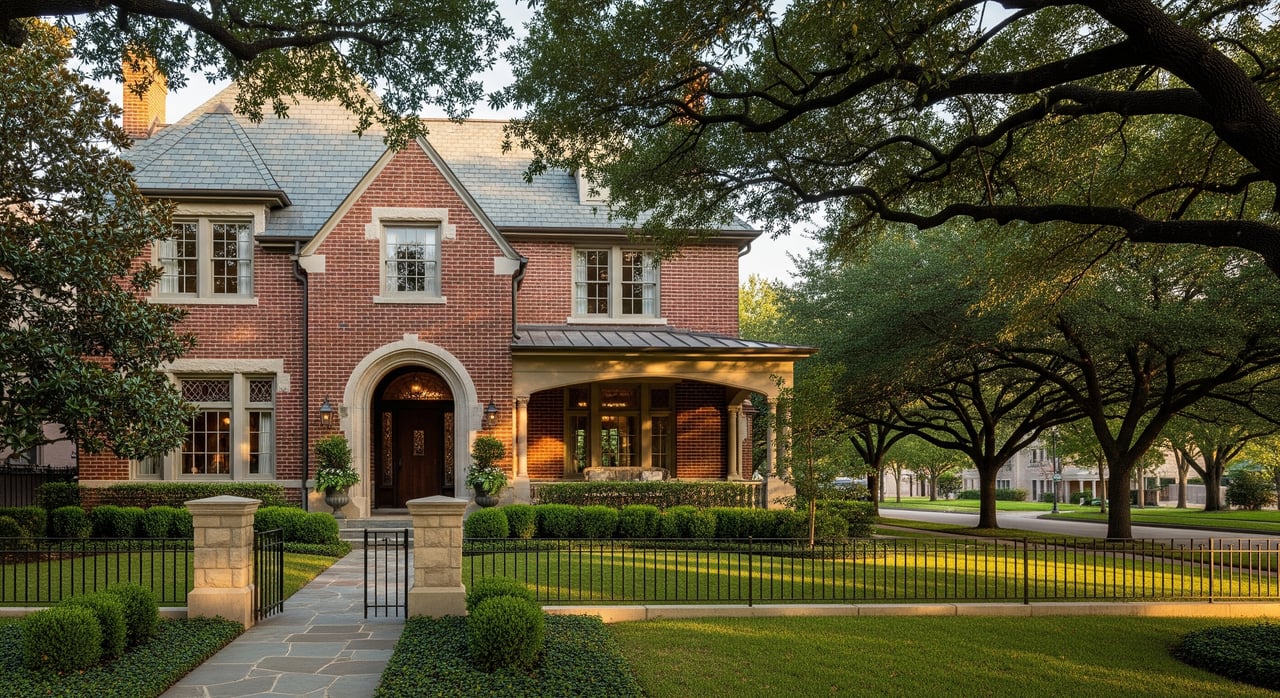
Looking for a quiet, tree-lined pocket just minutes from campus and cultural attractions? If you want fast access to TCU, the Fort Worth Zoo, and the Cultural District without giving up a residential feel, Park Hill deserves a close look. In this guide, you’ll get a clear sense of location, commute options, schools, home types, lifestyle highlights, and practical tips for relocating. Let’s dive in.
Park Hill at a glance
Park Hill is a well-established neighborhood near the heart of Fort Worth. You’ll find mature trees, larger lots than many newer suburbs, and a refined residential character that stays close to the city’s best amenities.
Homes range from mid-century ranches and Tudors to bungalows and traditional styles, with some newer infill. Many blocks feel tucked away, yet you can reach major destinations quickly.
Active neighborhood groups help support quality of life and share details on block-level topics, restrictions, and local events. If you’re considering a remodel or a new-build, confirm any overlays or guidelines that may apply through the City of Fort Worth.
Location and access
Park Hill sits just south of the Cultural District and near Texas Christian University. Depending on your block, you can walk, bike, or make a short drive to campus at Texas Christian University and family favorites like the Fort Worth Zoo.
You’re also minutes from the Cultural District’s museums, including the Kimbell Art Museum and the Modern Art Museum of Fort Worth. Camp Bowie and West 7th corridors add dining, coffee, and services.
Expect short trips to downtown Fort Worth because Park Hill sits inside the I‑820/I‑30 loop. For regional travel, plan for a longer drive to DFW Airport, often 25 to 40 minutes or more depending on time of day and route. Traffic can increase near TCU during class transitions and on Zoo or museum event days.
Getting around
Driving is the primary way most residents handle daily errands. Transit options are available for city and regional connections. Trinity Metro runs bus routes that serve the Cultural District and TCU area, and the Trinity Railway Express connects Fort Worth and Dallas via regional rail.
Walking and biking work well on certain corridors, especially for short trips to TCU, the Zoo, and Cultural District venues. For block-by-block walkability, review local maps to see the best routes for your routine.
If you host frequent guests or colleagues, take stock of driveway and garage capacity. On-street parking and temporary permits can vary by block, so check local signage and City of Fort Worth rules before large gatherings.
Schools and childcare
Park Hill addresses are served by the Fort Worth Independent School District. Because assignments vary by address, use the FWISD website and its school locator to confirm your specific elementary, middle, and high schools. For performance information, consult annual reports and accountability ratings published by the Texas Education Agency at TEA.
Private and parochial options exist in and around the TCU and Cultural District area. If you’re applying from out of state, review each school’s admissions timeline and grade spans early.
For daycare and preschool, you’ll find multiple choices along the Cultural District and Camp Bowie corridors. Waitlists can be seasonal, so it helps to contact providers ahead of your move.
Housing and the market
You’ll see a mix of original mid‑20th‑century homes, thoughtfully renovated properties, and newer infill on tear‑down lots. Inventory for larger, move‑in‑ready homes can be limited in prime pockets, which may lead to competitive offers.
Prices in Park Hill generally sit above the Fort Worth city median. Exact medians and trends shift with the market, so ask for current MLS data when you’re ready to compare neighborhoods and property types.
If you plan to remodel or build, verify zoning, overlays, and permitting timelines with the City of Fort Worth’s Development Services. Start with the City’s Planning and Development resources at fortworthtexas.gov to understand approvals and expected timelines.
Taxes, insurance, and carrying costs
Texas has no state income tax, and property taxes make up a larger share of annual housing costs. Review a property’s appraisal history and current rates with the Tarrant Appraisal District and local taxing entities before you finalize your budget.
When estimating carrying costs, include homeowners insurance and any wind or hail coverage common to North Texas. A clear view of mortgage, taxes, insurance, and utilities will help you compare Park Hill to other neighborhoods with confidence.
Daily life and lifestyle
Living near the Zoo and Cultural District sets up a weekend routine many households love. Quick trips to the Fort Worth Zoo make family outings easy, and rotating exhibitions at the Kimbell and the Modern add depth to your calendar.
Nearby corridors like Camp Bowie and West 7th cover everyday needs, from groceries and coffee to healthcare and professional services. Hospitals and specialty clinics in central and downtown Fort Worth are reachable within a short drive.
On event days, plan for heavier traffic. A small timing shift or an alternate route usually keeps things smooth.
For executives and TCU-connected families
If you split time between campus and client meetings, Park Hill’s location makes day-to-day logistics easier. Quick campus access can be helpful for faculty and staff, and many homes have space for a dedicated office.
If you travel for work, test typical airport drive times at your usual departure windows. For meetings in Dallas, consider parking near a TRE station and using regional rail to skip peak freeway congestion.
Short-term furnished rentals and corporate housing options ebb and flow with the academic calendar. If you need a bridge solution while you shop, start the search early.
Pros and tradeoffs
- Pros
- Close-in convenience to TCU, Zoo, and the Cultural District.
- Larger lots, mature trees, and a refined residential setting.
- Shorter drives to downtown and central hospitals.
- Walkable and bikeable options on select corridors.
- Tradeoffs
- Event-day congestion near TCU and the Zoo.
- Limited new-construction inventory within the pocket.
- Competitive offers for move-in-ready homes.
- Property taxes are a key part of annual costs.
Relocation checklist
- Confirm your exact school assignment with FWISD.
- Review property taxes and appraisal history at the Tarrant Appraisal District.
- Ask for current neighborhood market data before touring or making offers.
- Check utility providers and average monthly costs for a specific address.
- Verify parking capacity for guests and any block-specific restrictions.
- Map your regular routes and test commute windows, including TRE options at Trinity Railway Express.
- If planning a remodel or new build, review permitting steps at Fort Worth Development Services.
Ready to explore Park Hill?
If Park Hill’s location and lifestyle fit your goals, tap local expertise to move with confidence. For tailored neighborhood guidance, on- and off-market access, and executive relocation support, connect with the Duwe-Olsen Group. Our team pairs deep TCU-area knowledge with a white-glove process to help you secure the right home on your timeline.
FAQs
How close is Park Hill to TCU and the Fort Worth Zoo?
- Many blocks are a short walk or very short drive from both, though exact times vary by address; expect busier streets during campus and Zoo events.
Which public schools serve a Park Hill address?
- Use the Fort Worth ISD school locator on the FWISD website to confirm the elementary, middle, and high schools tied to a specific address.
What are typical home prices in Park Hill?
- Prices are generally above the Fort Worth city median and vary by lot size, condition, and location; ask for current MLS data or a custom market brief when you’re ready to shop.
How is commuting from Park Hill to DFW Airport and Dallas?
- Downtown Fort Worth is a short drive; plan about 25 to 40 minutes or more to DFW depending on traffic, and consider the Trinity Railway Express for Dallas connections.
Are there parking or permit considerations near TCU?
- Some blocks have on-street regulations and busier periods during campus events; review local signage and City of Fort Worth guidance before hosting larger gatherings.
What should I know about remodels or new builds in Park Hill?
- Tear-downs and substantial renovations occur; verify zoning, any overlays, and permitting timelines with Fort Worth Development Services at the City’s Planning and Development resources.
